

Understanding Wolf Content: Low Content Wolfdogs
Wolfdogs and Grey Wolf Percentage
The Lowdown on Low Content Wolfdogs
Low content wolfdogs have the widest variety of content and types, they are also the largest portion of wolfdogs in the United States. A low content wolfdog can be 1% wolf and up to 49% wolf. The wolfdog breeds and developmental breeds also fall under the Low Content classification. As a result of the extensive variety, we break the low contents into smaller sub classifications.
We will be providing you, the reader, with detailed behavioral, nutritional, identification and containment descriptions in each of the subclassifications.
DEBUNKING THE MYTH
The Claim: “All behavioral issues in wolfdogs are caused by the wolf content and stem from the fact that the dogs have wolf in them.”
The Truth: This myth is absolutely FALSE! Grey wolves and dogs are the same species, Canis Lupus and Canis Lupus Familiaris. One is the subspecies of the other. They are genetically the same. They are behaviorally the same, with varying levels of intensity. There are no behaviors found in wolves that are not also found in dogs, and vice versa. Dogs, too, have behavioral issues and MOST wolfdog behavioral issues stem from lack of proper socialization, lack of proper training and guidance, history of abuse or neglect or inbreeding. Wolfdog behavioral issues are caused by the exact same factors that cause behavioral issues in your favorite breed of dog.
The Microcontents
1% wolf to 19% wolf Microcontent Wolfdogs are generally considered to be 1-19% wolf, this category includes most of the Wolfdog breeds and developmental breeds. Size and appearance can vary; they may sometimes look like regular dogs, or they may have features that make them look just a little bit “wolfy.”
The Wolfdog breeds tend to look more wolfy than other Microcontents due to generations of selective breeding. Known for their doggy-dog temperaments and their childlike desire to be close, the Microcontent is a perfect match for a family who wants a dog with just a hint of wolf.
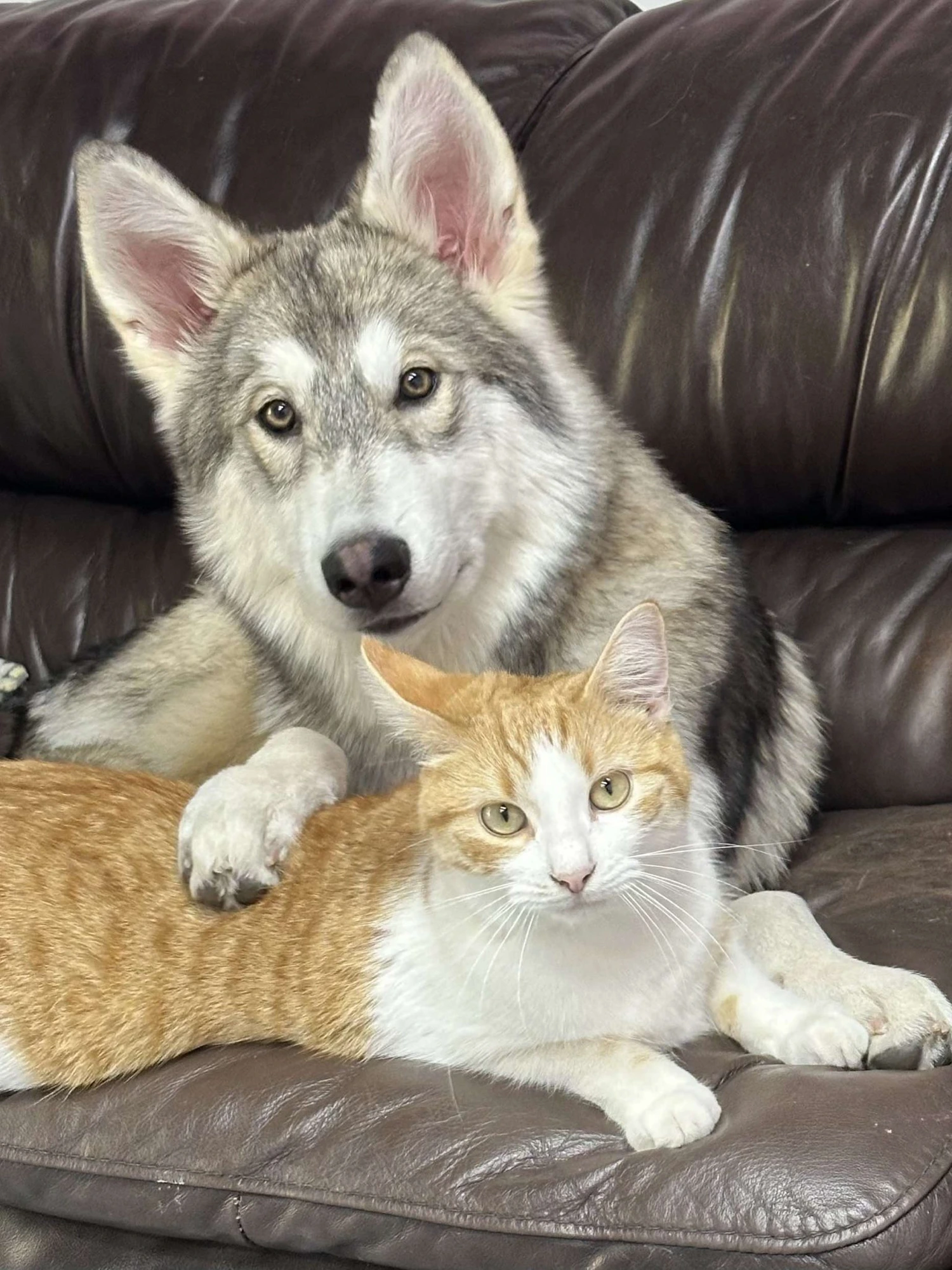
Temperaments: Microcontents have the most doglike temperaments on the wolfdog spectrum, being that they are at least 80% domestic dog. Microcontents are affectionate, loyal, willful, high energy, intelligent with a stubborn streak. They require consistent training and positive reinforcement. Microcontents are generally not a good option for a first time pet owner, prior experience with any type of dog is helpful when bringing home an ambitious, high energy breed. They do, however, make an excellent option for a first time wolfdog owner. You are unlikely to see many “wolfy” behaviors. The most important issue, as with all wolfdogs and many domestic dog breeds, is they do require extensive, early socialization. Without proper socialization, they can become shy or skittish. They will still bond and interact well with you and your family, but they may shy away from visitors and strangers. Behaviorally,they will be most similar to the primary dog breed in them. If they are mostly German Shepherd, they will act mostly German Shepherd.
Level of Difficulty: Low End of Moderate Proper Containment: A Microcontent or Wolfdog breed will require a large, fully fenced yard. Fencing must be at least 6 feet tall, made of durable materials (chain link, wood, cattle or hog panels.) It is imperative that you install dig guards underneath the fence to prevent them from digging under. This can be accomplished with store bought dig guards, laying field fencing flat on the ground and firmly attaching it to the bottom of your fence, or running a single strand of cattle hotwire along the bottom of your fence (approximately 5-6 inches above ground level.) Most microcontents are not known to jump over a 6 foot fence, but if they have a significant amount of Siberian Husky in them, it would be advisable to add an additional strand of cattle hotwire along the top of the fence to ensure that your dog stays safely at home. Their natural inclination is to roam, they will not be suitable for homes with no fencing.
Prey Drive: High. Prey drive is the amount of interest a dog will have in pursuing a prey animal, such as a chicken or goat. All wolfdogs, as well as most domestic dogs, have high prey drive.
Family Life: Microcontents live indoors, among their family and they do well with families with children. As with ALL dogs, adult supervision is always required with dogs and small children. They are highly trainable and capable of learning anything you have the skills to teach them.
The True Lows
20% wolf to 40% wolf True Low Content Wolfdogs, to include some Wolfdog breeds and developmental breeds, are the heart of the world of wolfdogs, with a large population in the United States, extensive genetic diversity, robust health and vigor, ease of training and handling, these dogs have made a name for themselves in family homes nationwide. In this range, we start to see longer legs, narrow chests, smaller ears, intense eyes.
In these animals, most people can look at them and see, easily, that this is not a regular dog. Known for their gentle demeanor, close bonding with family and exuberant playfulness, the True Lows are a great option for first time wolfdog owners, individuals who are looking for a wolfdog that is not a true exotic or anyone who would like a wolfdog for a family pet but doesn’t want the elevated challenge of an upper content wolfdog.
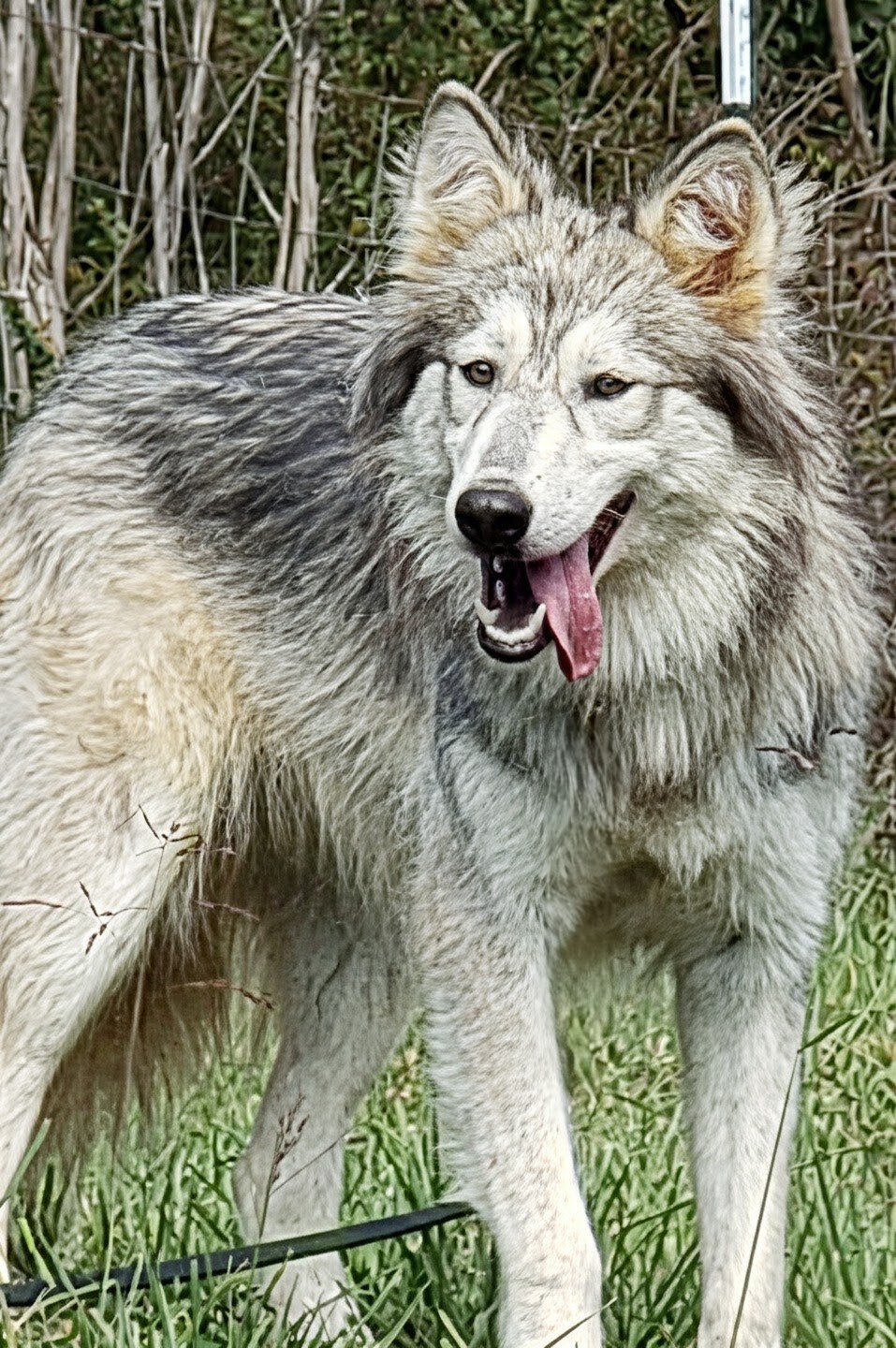
Temperament: The True Lows is where we see the first blooms of “wolfy behavior” (which is just dog behavior with a little more intensity behind it.) They are exceedingly pack oriented, to include their human family, and they experience genuine fear and anxiety when left completely alone for extended periods of time. For working families, a True Low Content wolfdog would be happier with another dog in the family so they don’t have to be all alone. A True Low can become destructive if left alone for long spaces of time. It cannot be understated that their discomfort with being alone is very real and must be taken seriously. Their need for companionship is genuine and, if not met properly, can result in a destructive wolfdog that eats your furniture, digs dens in your manicured lawn and scratches holes in your backdoor. As with all wolfdogs and many domestic dog breeds, they do require extensive, early socialization. Without proper socialization, they can become shy or skittish. They will still bond and interact well with you and your family, but they may shy away from visitors and strangers. True Lows are willful, stubborn, high energy, painfully intelligent, they have critical thinking skills and problem solving ability (meaning they can figure out how to get into things that you thought were out of their reach.) If you have the dedication to meet their needs, they will reward you with a relationship filled with togetherness and fellowship the likes of which many humans have never experienced. You will never be their master, but with commitment and willingness to learn and focus on their needs, you can be their leader, or maybe even “Mommy.”
Level of Difficulty: Moderate
Proper Containment: True Low Contents, and wolfdog breeds in this content range, will require a large, fully fenced yard. Fencing must be at least 6 feet tall, made of durable materials (chain link, wood, cattle or hog panels.) It is imperative that you install dig guards underneath the fence to prevent them from digging under. This can be accomplished with store bought dig guards, laying field fencing flat on the ground and firmly attaching it to the bottom of your fence, or running a single strand of cattle hotwire along the bottom of your fence (approximately 5-6 inches above ground level.) Some True Lows can and will jump or climb over a 6 foot fence. You must secure the top of the fence to ensure the safety of your wolfdog. You can do this by running another strand of cattle hotwire at the top of the fence, adding lean ins at the top or using hog panels to extend your existing 6 foot fence up to 8 feet in height. Not all Lows will go over a 6 foot fence. Monitor your puppy, if you see any indicator of attempting to jump or climb, then you must secure the top. They are not suitable for homes with no fencing.
Prey Drive: High. Prey drive is the amount of interest a dog will have in pursuing a prey animal, such as a chicken or goat. All wolfdogs, as well as most domestic dogs, have high prey drive.
Family Life: True Low Contents live indoors and outdoors and they do require an enclosure. They love to be among their family and they do well with families with children. As with ALL dogs, adult supervision is always required with dogs and small children. They are highly trainable and capable of learning anything you have the skills to teach them, but do keep in mind that they are willful and will require patience and leadership from you. House training can take longer, but they can do it.
The Upper Low Contents
41% wolf to 49% wolf The Upper Low content Wolfdogs are the transitional phase between low content and mid content. In this classification, the animals are demonstrating a much more wolf-like appearance, to include long legs, narrow chest, intense eyes, smaller ears and straight tails. There is no mistaking that they are a wolfdog.
When you take your upper low content wolfdog for a walk, people are inevitably going to stop and ask you if that is a wolfdog, some people will even ask if your pet is a wolf. Their sensitive nature requires an experienced handler because an unintentional violation of trust can damage the bond between you and your wolfdog companion. For example, if you have a momentary outburst and start snapping the leash your wolfdog can decide that going for walks is no longer enjoyable, and then they will not let you put a leash on them anymore.
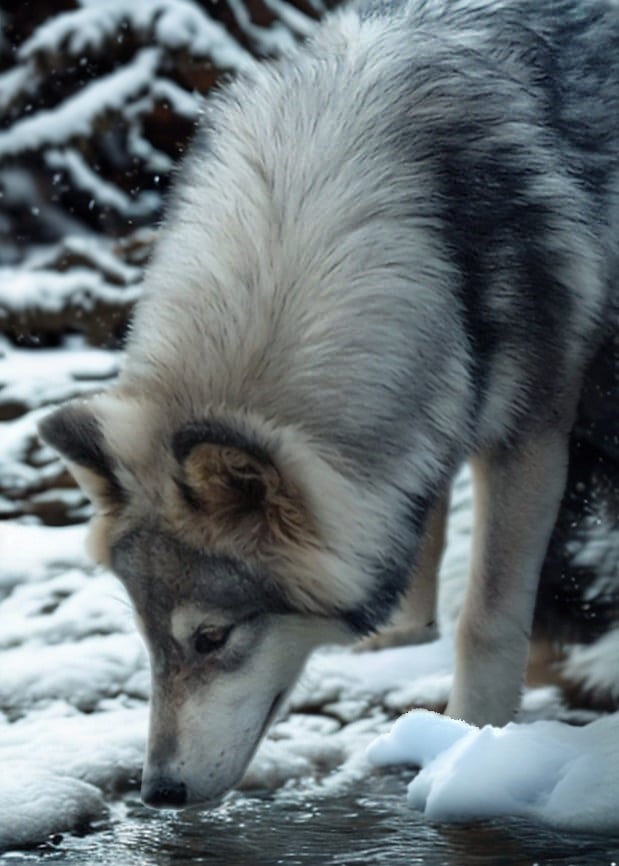
After the trust has been violated, it is possible to back out of that and reestablish trust, but it is a long, difficult task that will require patience, diligence and the ability to fully realize and accept that this was a shortcoming on the part of the handler, not the animal. The upper low content wolfdog is not simply going to forget that you were snapping the leash; they will remember it forever, they will remember the negative experience forever. Your wolfdog can forgive you for the violation of trust, but they are not going to forget it. For this reason, upper low contents are more often recommended for wolfdog owners with prior experience.
Many people have been very successful with an upper low content as a first wolfdog, but more often than not, mistakes are made that require extensive effort to correct. They are known for their sensitive nature, close bonding, high intelligence, high energy (although many upper low contents are more calm than the True Low Contents, depending on which domestic dog breeds they have in them.) Despite their close bonding and deeply connected relationships with their family, these dogs do have a preference for some “me time.” There will be times that they are aloof, preferring to do their own thing or not following training and instructions. Both their need for bonding and their need for independence must be embraced and respected. The need for autonomy is inherent and cannot be trained away. Just like most humans, they love you, they value you, but they sometimes have a need to be alone to revel in the joy of just being themselves, free from the expectations of others.
Level of Difficulty: Moderate
Proper Containment: Upper Low Content Wolfdogs require an 8 foot fence (or a 6 foot fence with hotwire or lean ins at the top.) The potential for a wolfdog of this content to go over a 6 foot fence is high, the top of the enclosure must prevent escape. Dig guards at the bottom of the fence are a requirement (as with all wolfdogs and many ambitious breeds of domestic dogs.)This can be accomplished with store bought dig guards, laying field fencing or hog panels flat on the ground and firmly attaching it to the bottom of your fence, or running a single strand of cattle hotwire along the bottom of your fence (approximately 5-6 inches above ground level.) The potential for digging under the fence is inevitable. It is not IF your wolfdog digs under the fence, it is WHEN. Upper Low Contents are NOT suitable for homes without a proper enclosure.
Prey Drive: High. Prey drive is the amount of interest a dog will have in pursuing a prey animal, such as a chicken or goat. All wolfdogs, as well as most domestic dogs, have high prey drive.
Family Life: Upper Low Contents live indoors and outdoors and they do require an enclosure. They love to be among their family and they do well with families with children. As with ALL dogs, adult supervision is always required with dogs and small children. They have a need for time to just be a dog without human expectations, autonomy and independence are critical to their emotional well being. When they have expressed a need for alone time, move them to their enclosure, provide toys,enrichment and keep children out of the enclosure until they are old enough to respect the wolfdogs need to be left alone today. They are highly trainable and capable of learning anything you have the skills to teach them, but do keep in mind that they are willful and will require patience and leadership from you. House training can take longer, but they can do it.
Low Content Wolfdog Nutritional Needs
Low content wolfdogs require a high quality, well balanced diet. Unlike high content wolfdogs, they do not require a raw diet, although a well balanced raw diet is ideal for all dogs, both wolfdogs and domestic dogs. Raw feeding requires extensive education and scientific knowledge about types and quantities of food to achieve a properly balanced diet. The Low Contents do well on a high quality, high protein kibble, enhanced with nutritious treats like boiled eggs, sweet potatoes, green beans, frozen whole carrots. You can also use small bits of raw meat instead of store bought, chemical-laden dog treats.
Low Content Wolfdog Vaccinations and Preventative Care
Your low content wolfdog must receive the same vaccines, on the same schedule as any other dog. A common vaccination schedule includes the 5 way vaccination (Parvovirus, Distemper, Adenovirus types 1 & 2, parainfluenza) at 6 weeks of age, 8 weeks of age, 12 weeks of age and 16 weeks of age. Your veterinarian will also vaccinate your wolfdog against Rabies between 12-16 weeks of age. Your wolfdog companion should also be on a flea, tick and heartworm preventative every month of their life. Regular deworming and veterinary check ups are a must.
DEBUNKING THE MYTH
The Claim: “Wolfdogs can’t get parvo and/or heartworm”
The Truth: This claim is FALSE and dangerous. All members of the Canine family are vulnerable to both Parvovirus and Heartworm disease. This includes all breeds of domestic dog, wolfdogs, wolves, coyotes, dingoes, jackals and foxes. Please vaccinate your pets! Their lives depend on it.